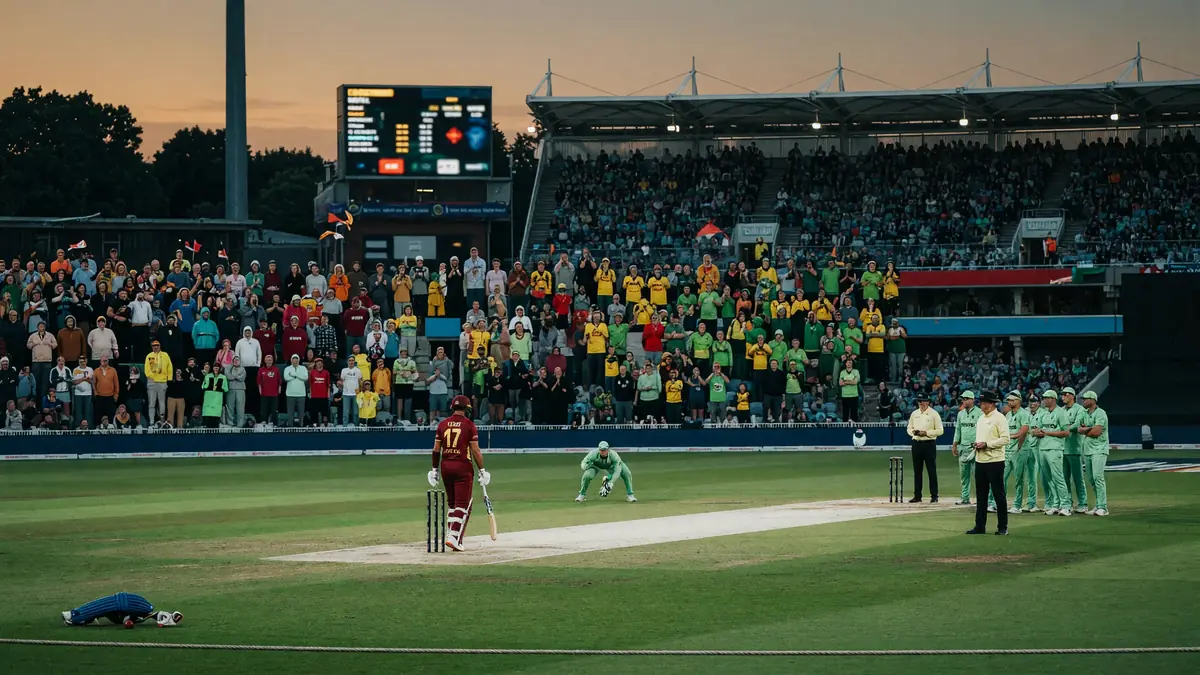
London Spirit meet Manchester Super Giants in Match 3 of the English Men’s 100 League 2026 at Lord’s on 23 July, with the start listed at 11:00 PM IST. Cricket Pandit’s desk breaks down the predicted elevens, Lord’s surface notes, captaincy shortlists and how to map those names into a 100-credit fantasy side without copying a published lineup blind.
· Cricket Pandit News Desk
The fixture is straightforward on paper and awkward on the clock for Indian fantasy desks. London Spirit (LNS) host Manchester Super Giants (MSG) in Match 3 of the English Men’s 100 League 2026 at Lord’s, London. The published start is 23 July 2026 at 11:00 PM IST, which puts toss windows and last-minute XI edits deep into a weekday evening for most Indian users.
The visitor’s branding is new for this cycle. Manchester Originals were rebranded as Manchester Super Giants after a franchise ownership change ahead of the 2026 edition. Head-to-head history still matters for context: against Spirit, the Super Giants side (under the prior Originals identity in earlier seasons) sits at two wins to Spirit’s three. That 3–2 split is thin sample size in a short tournament, but it tells you neither side has owned the matchup for long.
Spirit’s campaign is described as guided by Andy Flower. That matters less as a slogan and more as a selection filter: Flower-led sides in short formats often keep a clear split between top-order hitters, a death-bowling pair, and at least one spin option who can also bat. Fantasy teams that ignore that structure and stack only brand-name batters usually run into role gaps once the 100-ball innings tightens.
Preview coverage lists a Spirit batting and all-round group that includes Liam Livingstone, Dewald Brevis, Lhuan-dre Pretorius and Jamie Overton, with bowling names Adam Zampa, Mason Crane and Matthew Fisher also in the conversation. On the Super Giants side, batting depth is framed around Jos Buttler, Heinrich Klaasen, Rachin Ravindra and Glenn Maxwell, while Noor Ahmad, Fazalhaq Farooqi and Richard Gleeson headline the bowling discussion.
Role clarity beats name recognition. Livingstone and Maxwell are classic multi-skill anchors in 100-ball fantasy because they can post points with bat and ball in the same short innings. Brevis and Klaasen are pure ceiling batters whose ownership spikes whenever the surface is labelled batting-friendly. Overton is the Spirit dual-threat many small-league teams underrate: pace overs plus lower-order striking. Noor Ahmad is the wrist-spin differential that only pays if he actually bowls a meaningful share of the middle overs.
Two caveats sit under every name list. First, a “named option” in a preview is not a confirmed starter. Second, The Hundred’s strategic timeouts and five-ball sets change bowling spells compared with a standard T20, so a bowler’s fantasy floor depends on whether the captain trusts them for a full allocation rather than a single set. Always re-check the teamsheet at toss before you treat any of the names above as locked.
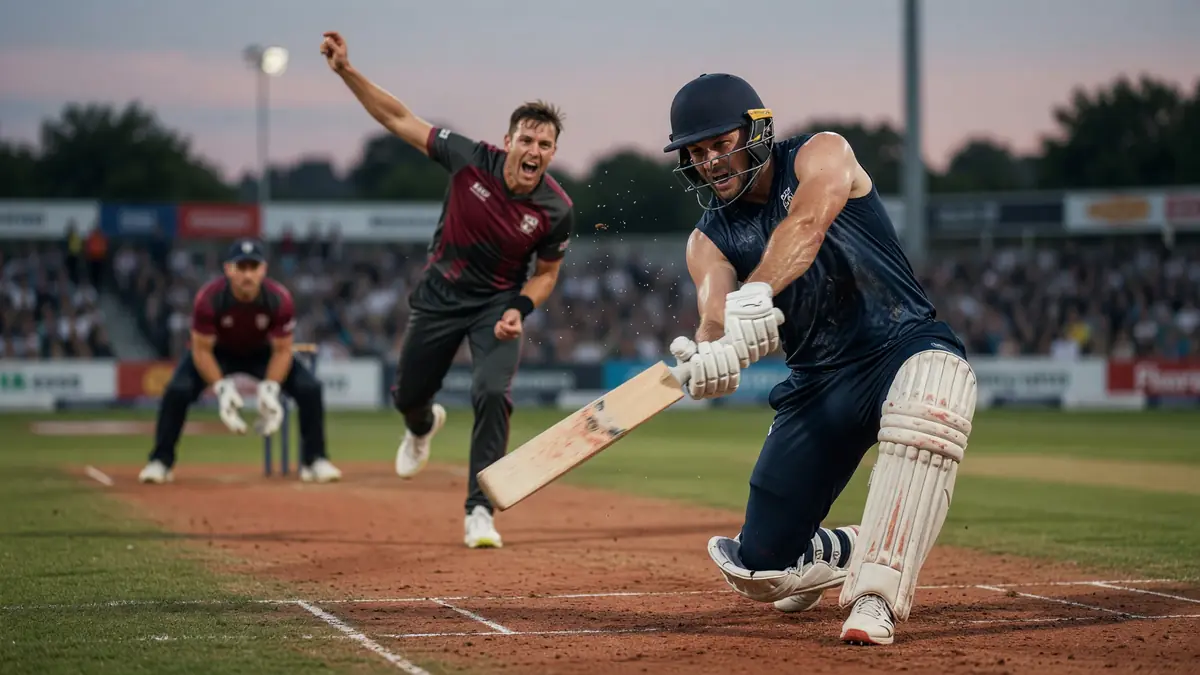
The preview’s surface package is unusually specific for a fantasy wire piece. Temperature was put near 21°C with partly cloudy skies. The pitch was labelled batting-friendly and best suited to pace. Average first-innings score was listed at 151, and chasing sides were given a 54 percent winning share in the comparable sample the desk used.
For a 100-credit build, that package tilts the early spend toward top-order batters and genuine pace rather than three specialist spinners. A first-innings mean near 151 in this format still leaves room for a collapse, so do not empty the budget on four ultra-premium hitters and then fill bowling with pure value names who may not get a full spell. Keep at least one confirmed pace death option and one spin or seam change-up who can still return wickets if the ball grips under lights.
The 54 percent chase figure is not a mandate to captain only second-innings batters. It is a soft prior: if Spirit or Super Giants prefer to chase, your vice-captain math should not assume batting second is automatically a discount. Build two skeleton teams before toss — one assuming Spirit bat first, one assuming Super Giants bat first — and swap only the one or two roles the toss actually changes.
Cricket Addictor’s predicted London Spirit XI was listed as Dewald Brevis, Liam Livingstone, Adam Hose, Tymal Mills, James Rew, Adam Zampa, Jamie Overton, Jonny Bairstow, Lhuan-dre Pretorius, David Willey and James Coles. The predicted Manchester Super Giants XI was Aiden Markram, Josh Tongue, Tim Seifert, Jos Buttler, Noor Ahmed, Paul Walter, Heinrich Klaasen, Liam Dawson, Gus Atkinson, Sonny Baker and Max Holden.
Read those lists as a menu, not a mandate. Orderings in preview XIs are often role sketches rather than confirmed batting positions. Bairstow and Buttler can slide between keeping and pure batting roles depending on balance. Mills and Tongue are pace levers whose fantasy value collapses if they are held back for only a couple of sets. Noor Ahmed’s spelling in previews sometimes swaps between Ahmad and Ahmed; on the platform, search both strings so you do not miss the credit line.
Players flagged to avoid in the same preview desk’s avoid list included Adam Finch and Mason Crane, each without a clean recent fantasy-points line in that write-up. Avoid lists are soft signals: they usually mean “low chance of a long spell or a batting chance,” not “banned from every contest type.” In a head-to-head, you may still need one of those names if the toss XI forces your hand and the salary sheet is tight.
The captaincy conversation in the source preview centres on Aiden Markram and Heinrich Klaasen, with Jamie Overton and Dewald Brevis listed among vice-captain options. Expert framing in that piece leaned Markram for smaller leagues and Klaasen for grand-league upside, with Noor Ahmad and Tymal Mills called out as punt or budget picks. A suggested Dream11 shape of 3-1-5-2 (batters-keeper-all-rounders-bowlers) was also published there.
Use that framing as a stress test, not a copy sheet. Markram’s appeal is the all-round path: top-order batting plus part-time off-spin that can still sneak a wicket. Klaasen’s appeal is pure finishing ceiling on a surface already tagged batting-friendly. Overton is the Spirit-side dual role that can separate small fields when bowling matchups open. Brevis is the high-ownership Spirit batter many grand-league fields will already captain if early toss news is quiet.
In head-to-head and small leagues, favour the higher floor: Markram or a confirmed Spirit multi-skill if the final XI backs it. In large fields, one of Klaasen, Brevis or a lower-owned all-rounder becomes more attractive because a shared captain on the modal pick stops differentiating rank. Budget slots for Mills and Noor only make sense after you confirm they are in the eleven and likely to bowl a full share; otherwise the credit is better spent on a second confirmed all-rounder.
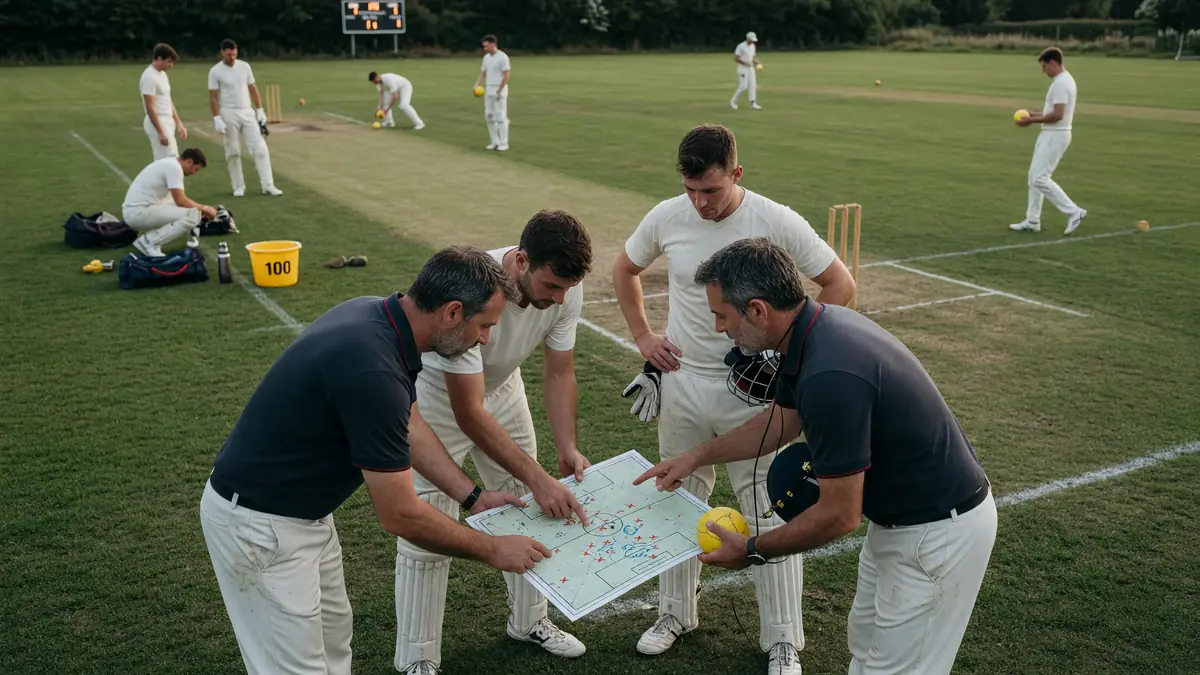
A published “Team 1 / Team 2” graphic never spends your credits for you. Start from role buckets, then force the salary math. One workable Spirit-heavy skeleton on a batting surface looks like this in plain language: spend heavily on two top-order batters (Brevis or Bairstow; Buttler or Klaasen), lock one dual-threat all-rounder (Livingstone, Overton, Markram or Maxwell if selected), keep a wicketkeeper who actually bats in the top six, then fill three bowling slots with at least two pace options and one change-up spinner.
A balanced split that often survives toss chaos is four batters, one keeper, three all-rounders and three bowlers — close to the 3-1-5-2 shape once you reclassify hybrid names. The important discipline is not the label on the card but the on-field job: if your “all-rounder” only bowls two sets and bats at nine, you paid all-rounder money for a specialist bowler’s floor.
Leave three to five credits of flexibility until the toss. That buffer is what lets you absorb a last-minute inclusion like a specialist seamer or a promoted opener without gutting the captain pick. If your sheet is already at 100 with no slack, you are not building a Men’s Hundred team — you are hoping the preview XI is perfect.
The same preview desk leaned London Spirit as the match-winner on squad strength. Treat that as colour, not as a fantasy instruction. Match-winner leans are binary; fantasy scoring is player-path dependent. A Spirit win with a quiet night for your three Spirit batters still loses a grand league. A Super Giants chase that is carried by Klaasen and Markram can pay a full portfolio even if Spirit were the pre-match favourites.
What you should take from the lean is selection confidence around Spirit’s multi-skill core if the toss XI matches the prediction. What you should not take is a blanket rule to load nine Spirit players. Ownership concentration on home favourites is often higher in Indian-facing contests for overseas leagues, which is exactly when a two- or three-player Super Giants stack around Buttler, Klaasen and a confirmed bowler becomes the cleaner rank move.
If you want a broader framework for role splits, differential benches and captain multipliers across formats, the longer fantasy cricket desk notes collect those patterns in one place. For tonight’s Lord’s game, the edge is narrower: verify the eleven, respect the pace-first pitch note, and spend the multiplier on a player whose path to points does not depend on a single mismatched matchup.
Indian users locking teams near 11:00 PM IST should also plan the logistics. Enable toss notifications, keep one alternate captain already costed in the app, and avoid editing five names in the final minute. Most rank damage in late-night overseas contests comes from rushed swaps after a single injury tweet, not from the original research.
The next hard checkpoint is the toss itself. Wait for both confirmed playing XIs once the captains hand in the teamsheets at Lord’s — not the predicted lists above. Cross-check every selected name against those elevens, swap out anyone who misses selection, and only then set captain and vice-captain for the contest type you are playing.
After the teamsheets are public, make the final fantasy-team lock in the window before the listed 11:00 PM IST start. That is the sequence that protects the research: confirmed XIs first, last salary and multiplier edits second, full lock third. Anything saved earlier is a draft until those two steps are done.
Short answers for fantasy users locking teams for London Spirit vs Manchester Super Giants at Lord’s.
